Abstract
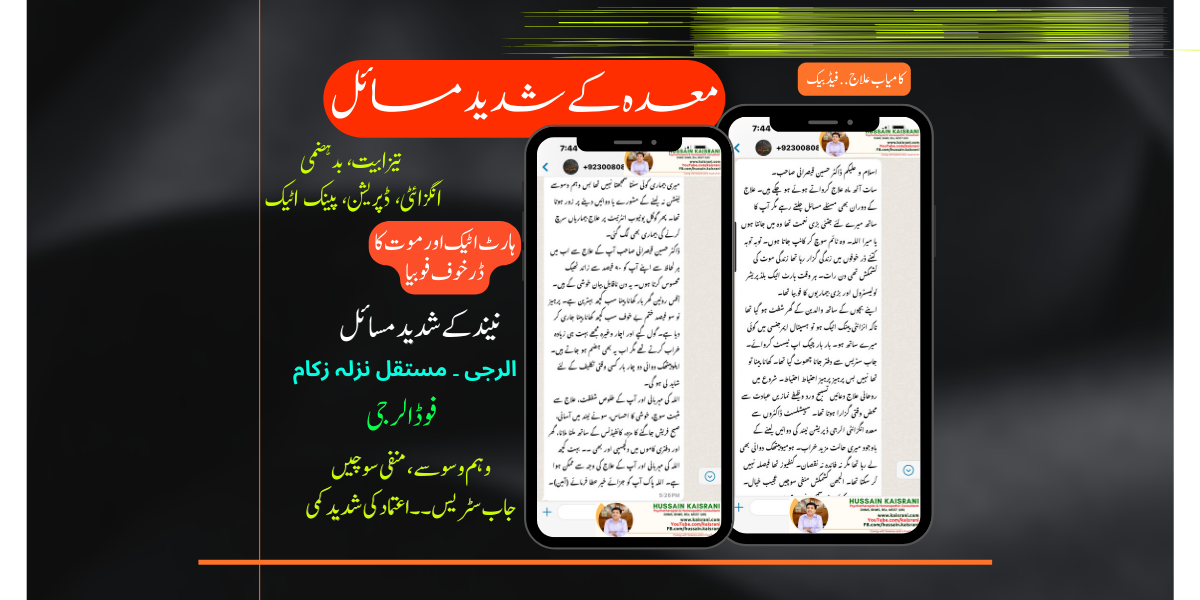
This case study describes a middle-aged male patient suffering from long-standing Generalized Anxiety Disorder, Panic Disorder, Health Anxiety (Illness Anxiety Disorder), Depressive Disorder, Insomnia, and functional gastrointestinal symptoms, complicated by occupational stress and repeated medical investigations. After unsuccessful trials of conventional, psychiatric and alternative treatments, significant clinical improvement was observed following a structured holistic treatment approach.
Patient Background
The patient presented with a history of persistent anxiety-related symptoms lasting approximately 7–8 months.
Symptoms were severe enough to cause functional impairment in occupational, social, and family life.
Due to frequent panic attacks, the patient relocated to his parents’ home for emotional security and access to emergency medical care.
Presenting Complaints
The patient reported the following symptoms:
- Persistent health-related fears, especially fear of:
- Myocardial infarction (heart attack)
- Hypertension (high blood pressure)
- Hypercholesterolaemia (high cholesterol)
- Recurrent panic attacks
- Constant generalized anxiety
- Depressed mood
- Sleep disturbance (insomnia)
- Loss of appetite and restrictive eating behaviour
- Functional gastrointestinal complaints including indigestion and food intolerance
- Reduced work performance due to job-related stress
Psychological and Behavioural Features
- Excessive reassurance-seeking behaviour
- Repeated medical tests and consultations
- Excessive internet searching related to diseases (cyberchondria)
- Negative intrusive thoughts
- Difficulty in decision-making
- Fear-driven avoidance of work and social activities
Previous Medical Management
The patient previously underwent treatment by multiple healthcare providers, including:
- Psychiatric medications for:
- Anxiety disorders
- Depressive disorder
- Sleep disorder
- Gastrointestinal medications for functional stomach symptoms
- Homeopathic treatment (without clinical benefit)
- Spiritual and religious practices, which provided only short-term emotional relief
Despite these interventions, symptoms progressively worsened.
Clinical Assessment
Based on clinical evaluation, the patient’s condition was consistent with:
- Generalized Anxiety Disorder (GAD)
- Panic Disorder
- Illness Anxiety Disorder
- Major Depressive Disorder (mild to moderate)
- Insomnia Disorder
- Functional Gastrointestinal Disorder (stress-related dyspepsia)
The illness was maintained by chronic stress, health-related fear, avoidance behaviour, and maladaptive cognitive patterns.
Treatment Approach
The patient was managed using a holistic and integrative treatment strategy, focusing on:
- Anxiety regulation
- Cognitive restructuring
- Stress management
- Restoration of sleep–wake cycle
- Gradual removal of food-related fear
- Reduction of health-related checking behaviour
- Emotional reassurance and consistent therapeutic support
Minimal use of conventional medication was required during the later stages of treatment.
Outcome and Follow-Up
After 7–8 months of treatment, the patient reported greater than 90% improvement.
Clinical improvements included:
- Resolution of panic attacks
- Significant reduction in generalized anxiety
- Normalisation of sleep pattern
- Restoration of appetite
- Improved gastrointestinal tolerance, including previously trigger foods
- Return to full occupational functioning
- Improved confidence, mood stability and social engagement
The patient required only occasional short-term medication for minor symptoms.
Conclusion
This case highlights the importance of a comprehensive, patient-centred approach in managing complex anxiety spectrum disorders with functional somatic symptoms.
Long-term recovery was achieved through addressing psychological, behavioural and lifestyle factors rather than relying solely on pharmacological treatment.
Clinical Significance
- Anxiety disorders can present with severe physical symptoms mimicking life-threatening illnesses.
- Reassurance alone is insufficient without structured therapeutic intervention.
- Excessive internet health searches can worsen illness anxiety.
- Holistic management can lead to sustained recovery and functional restoration.